
Three PhD students from the University of Klagenfurt – Kristina Wogatai, Fabian Schober and Emir Sinanović – took part in the international summer school “Design with Water: Water as a Resource in the Landscape” at the Icelandic University of Agricultural Sciences (Landbúnaðarháskóli Íslands) in Hvanneyri. The multidisciplinary programme was organised as an Erasmus+ Blended Intensive Programme (BIP) in collaboration with Reykjavík University and was aimed at students of landscape architecture, architecture, environmental sciences and related disciplines.
The focus was on the role of water in the landscape, in particular the concept of Blue-Green Infrastructure (BGI) and nature-based solutions. These approaches complement traditional ‘grey’ infrastructure such as pipes, pumps and concrete by specifically integrating natural processes into planning and spatial design, for example to provide flood protection, improve water quality, promote biodiversity or cool urban spaces. In addition to workshops and project work, the programme included field trips during which water was also examined as an energy resource. These were led by Professor David Finger from Reykjavík University, who conducts research on energy-related topics in Iceland.
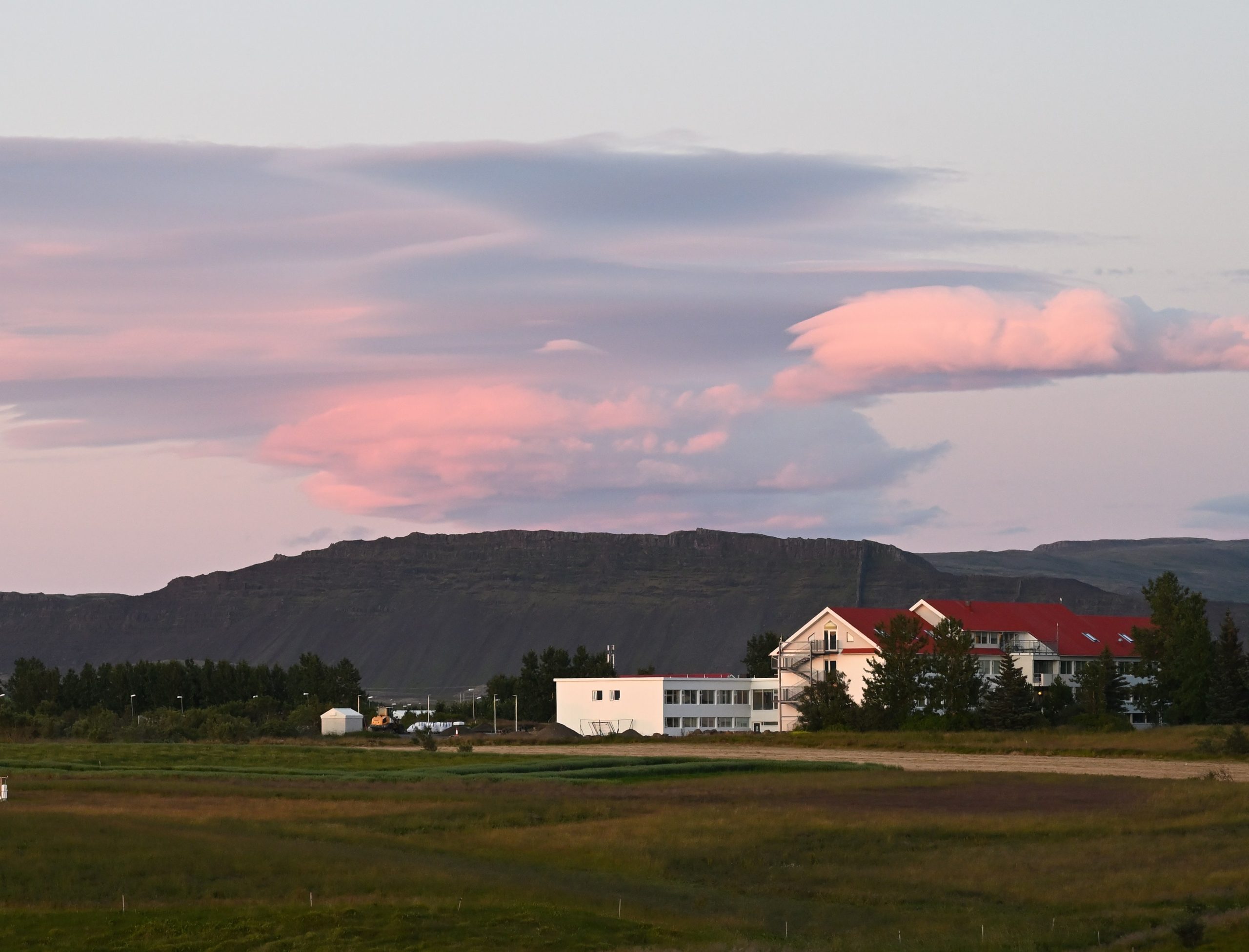
Andakílsárvirkjun: Sediment management as an ecological challenge
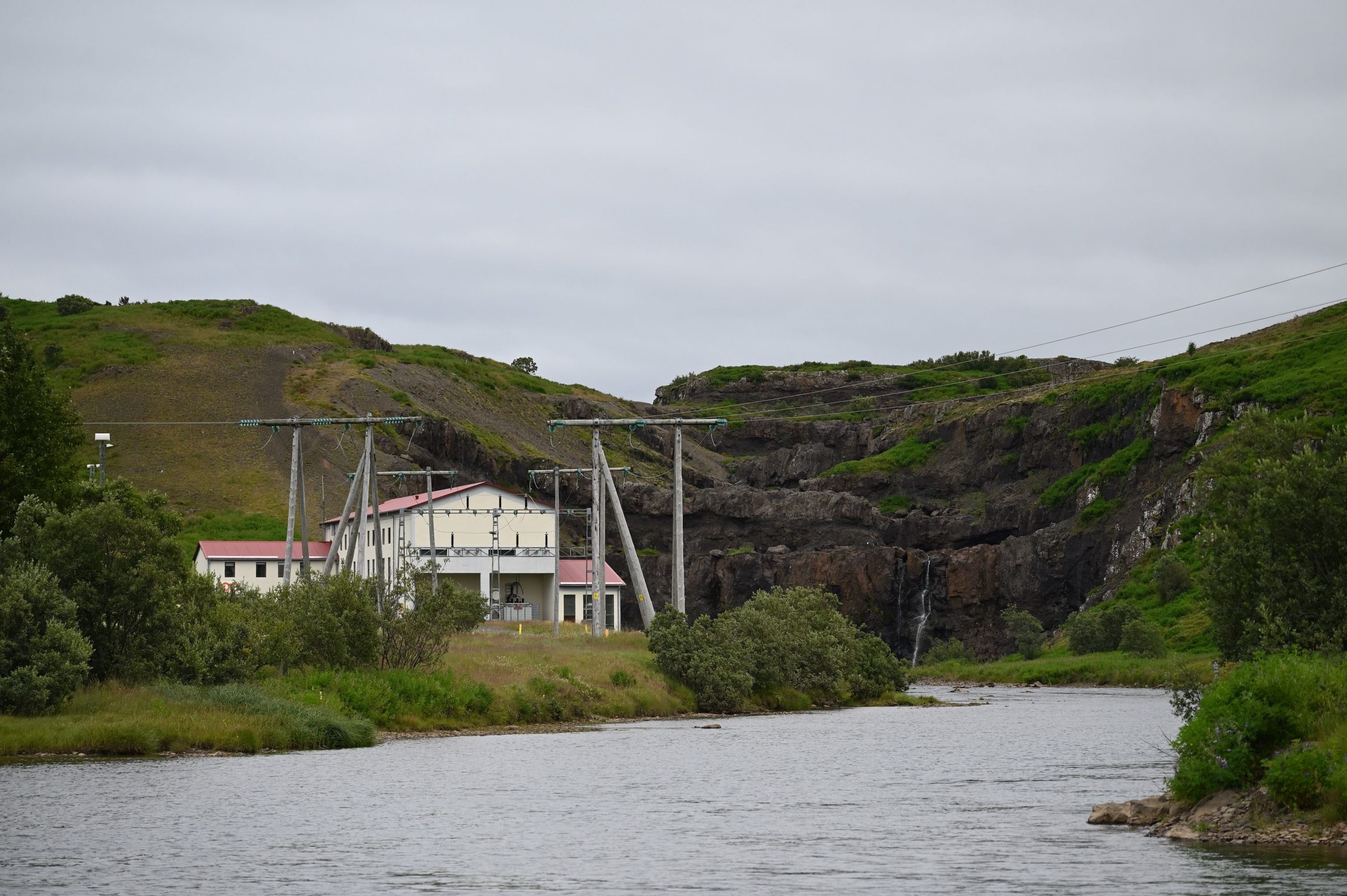
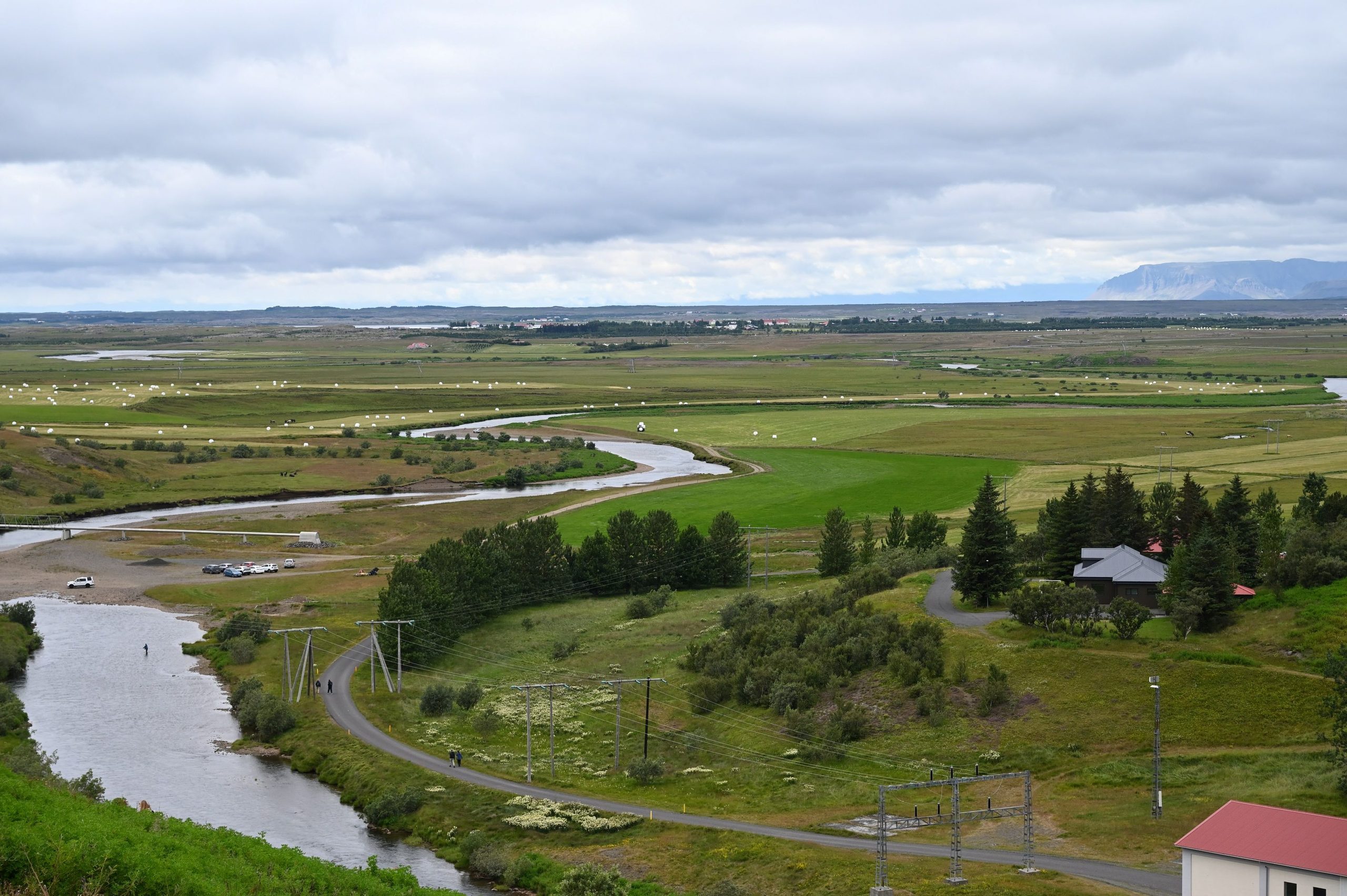
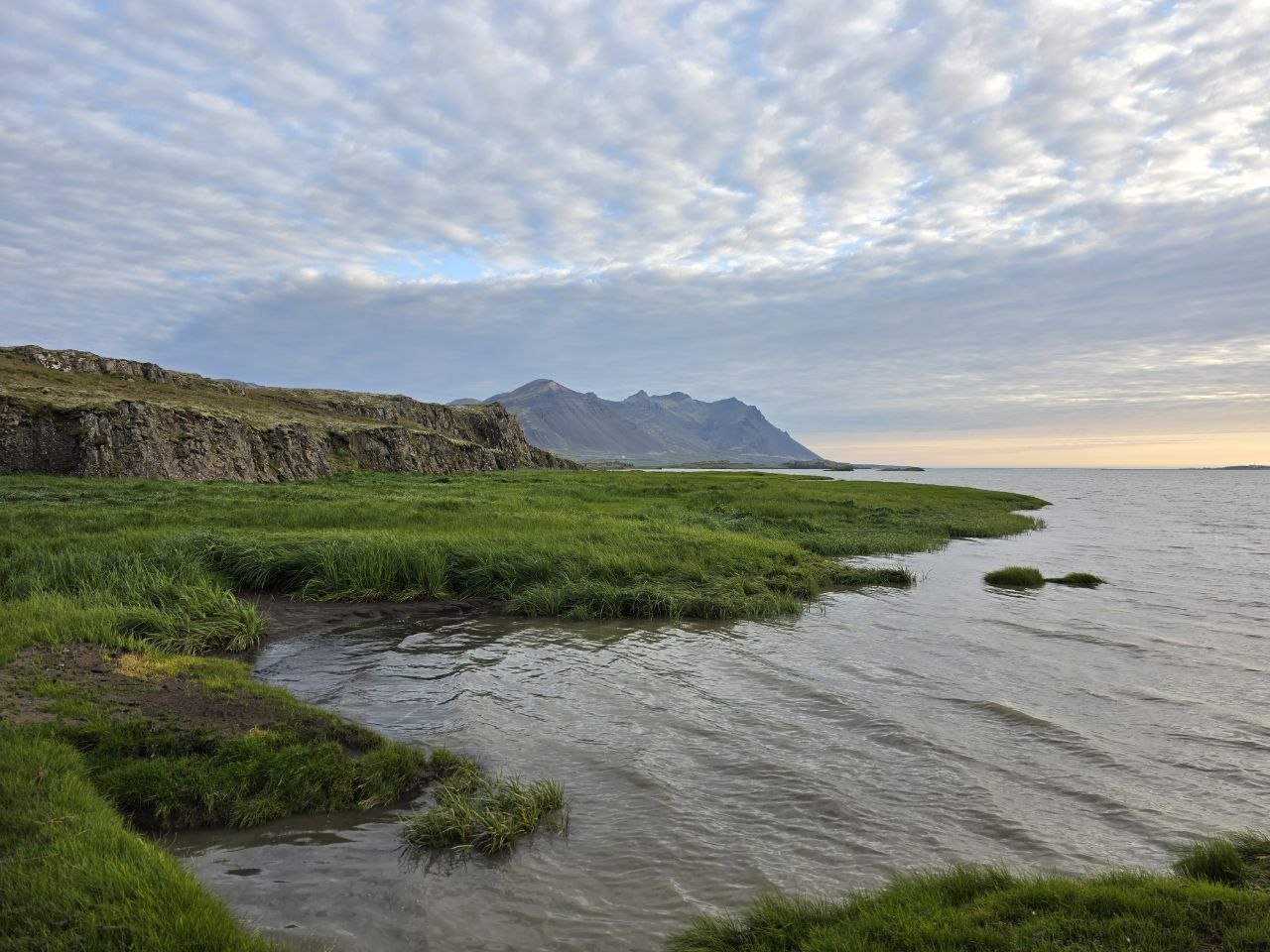
Hvanneyri is situated in the heart of the Andakíll protected area, a landscape comprising estuaries, wetlands and agricultural land. The Andakílsárvirkjun hydroelectric power station is located in the immediate vicinity. The owner gave a presentation on the power plant and explained a key operational challenge: sediment inflow. Silt, sand and gravel enter the reservoir with the inflow and settle there, necessitating dredging operations.
This results in a conflict of objectives between technical operations and aquatic ecology. If the deposited material is discharged into the river, it adversely affects the salmon population living there. The scale of this problem was illustrated by an incident in 2017: During an inspection, the reservoir was drained via a bottom outlet, causing sediment that had accumulated over decades to enter the Andakílsá. It is estimated that between 15,000 and 18,000 tonnes of material were carried downstream, filling the salmon’s spawning grounds and habitats; an entire year class of salmon was lost. Thanks to restocking measures and erosion control on the banks, the ecosystem has since recovered. This example illustrates that even renewable energy generation involves significant interference with natural water systems and requires integrated sediment management.
Elliðaárstöð: Repurposing energy infrastructure as an educational venue
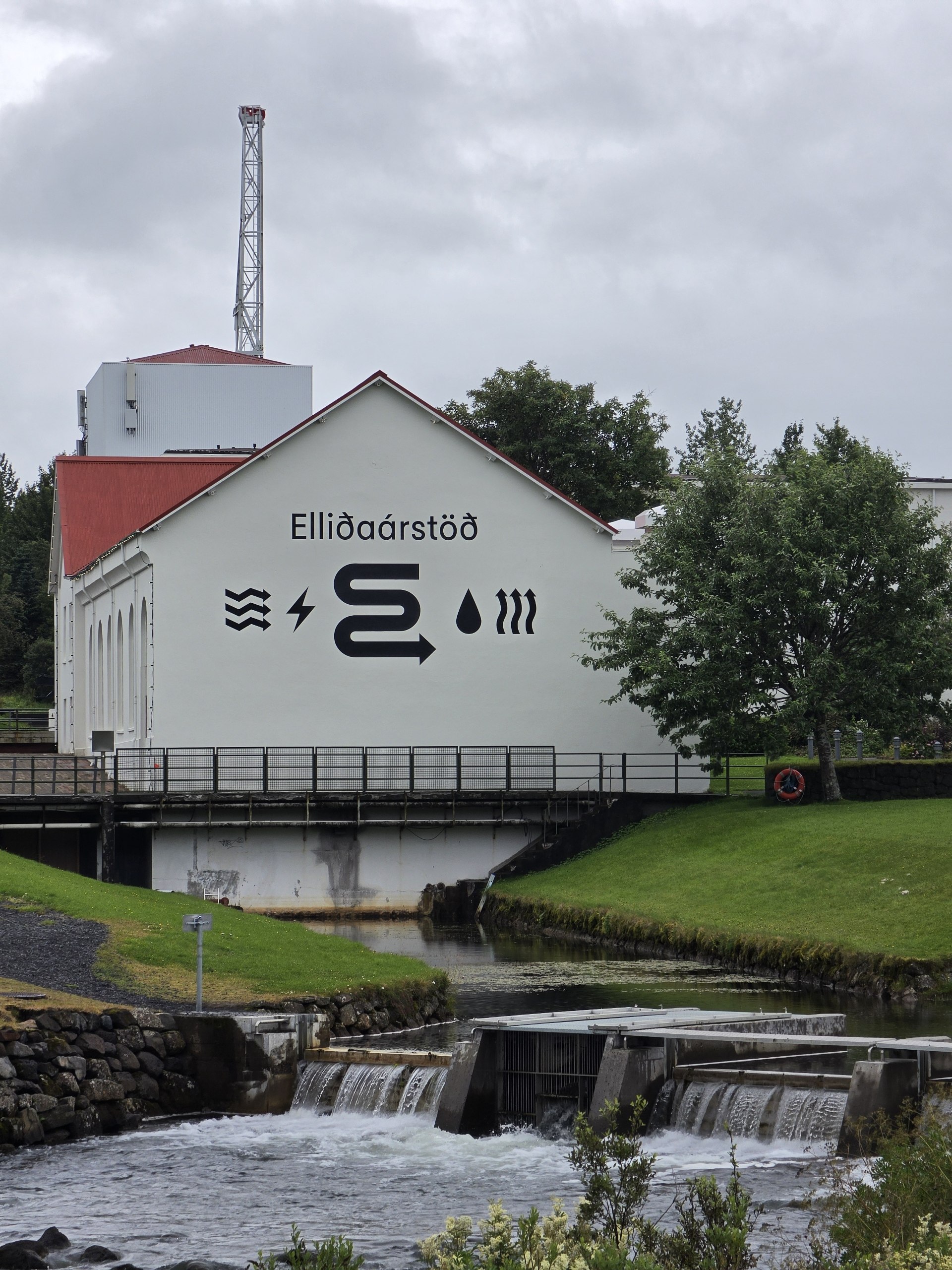
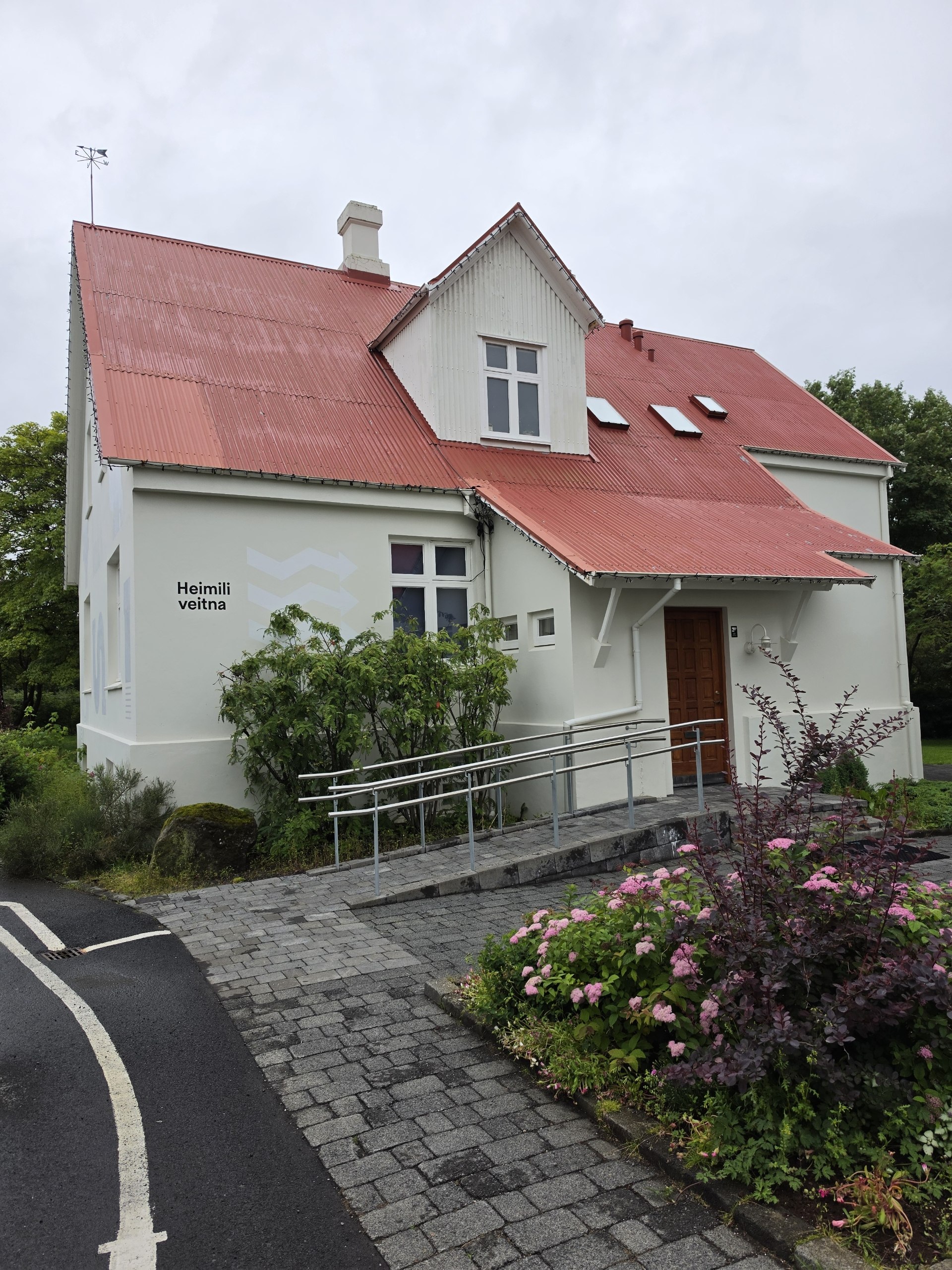
As part of the field trip to Reykjavík, the participants visited the historic Elliðaárstöð hydroelectric power station, where Professor David Finger gave a lecture on site. The power station began operating in 1921; electricity generation ceased in 2014.
Instead of dismantling the site, the energy supplier Orkuveita Reykjavíkur opted for a repurposing. Following its formal decommissioning in 2019, an open ideas competition was launched to transform the site into a learning centre that would also preserve its industrial heritage. The contract was awarded to the interdisciplinary design studio Terta for a concept that treats the entire site as an open-air museum based on the principle of ‘learning by playing’. Knowledge transfer is not limited to a single exhibition but is integrated into all areas of the site.
As part of the project, the listed buildings now house a visitor centre, exhibition spaces and a bistro. These are complemented by a water playground, where visitors can experimentally experience the behaviour of water in natural systems, as well as by the historic steam-powered drilling tower ‘Dofri’. A comprehensive educational programme is aimed at groups of all ages. In 2025, Elliðaárstöð was named ‘Venue of the Year’ at the Icelandic Design Awards.
The location is particularly illuminating in relation to the topics covered by the Summer School: it demonstrates how disused water infrastructure can be reintegrated into the landscape and given a new social purpose. Invisible systems such as electricity and water supply are brought to light, and complex scientific concepts are presented in an accessible way.
Snæfellsnes: Security of supply in remote regions
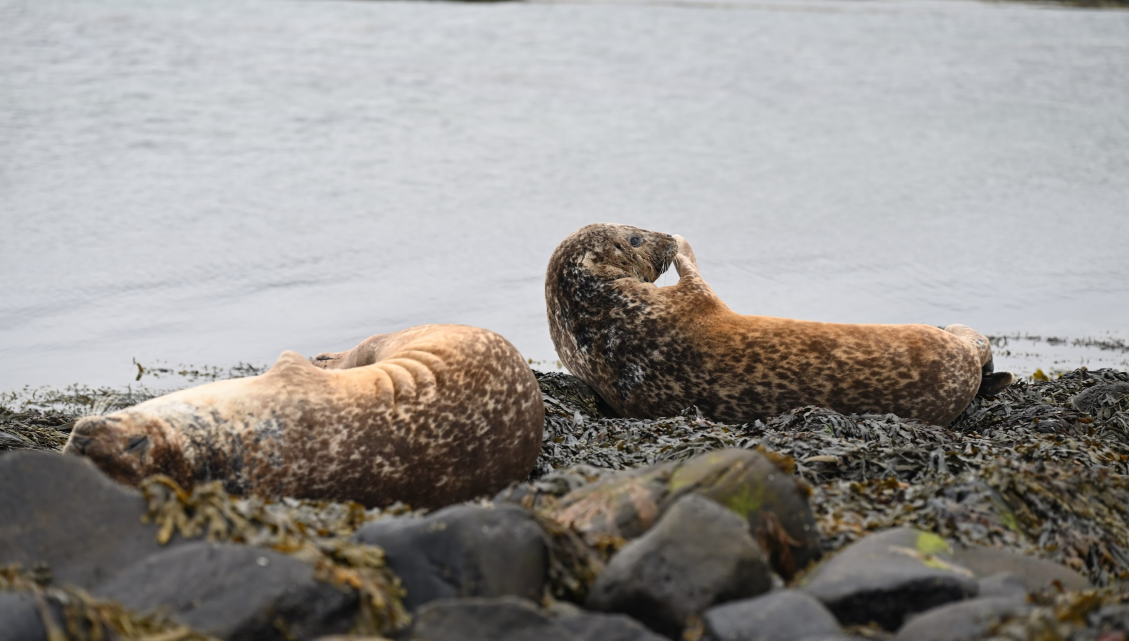
Another excursion took us to Grundarfjörður on the Snæfellsnes peninsula. The villages in the region are supplied via a single power line. This example highlighted the vulnerability of radially connected grids and raised questions about redundancy, resilience and decentralised supply concepts, particularly given Iceland’s climatic conditions.
Serious games for sustainable resource management
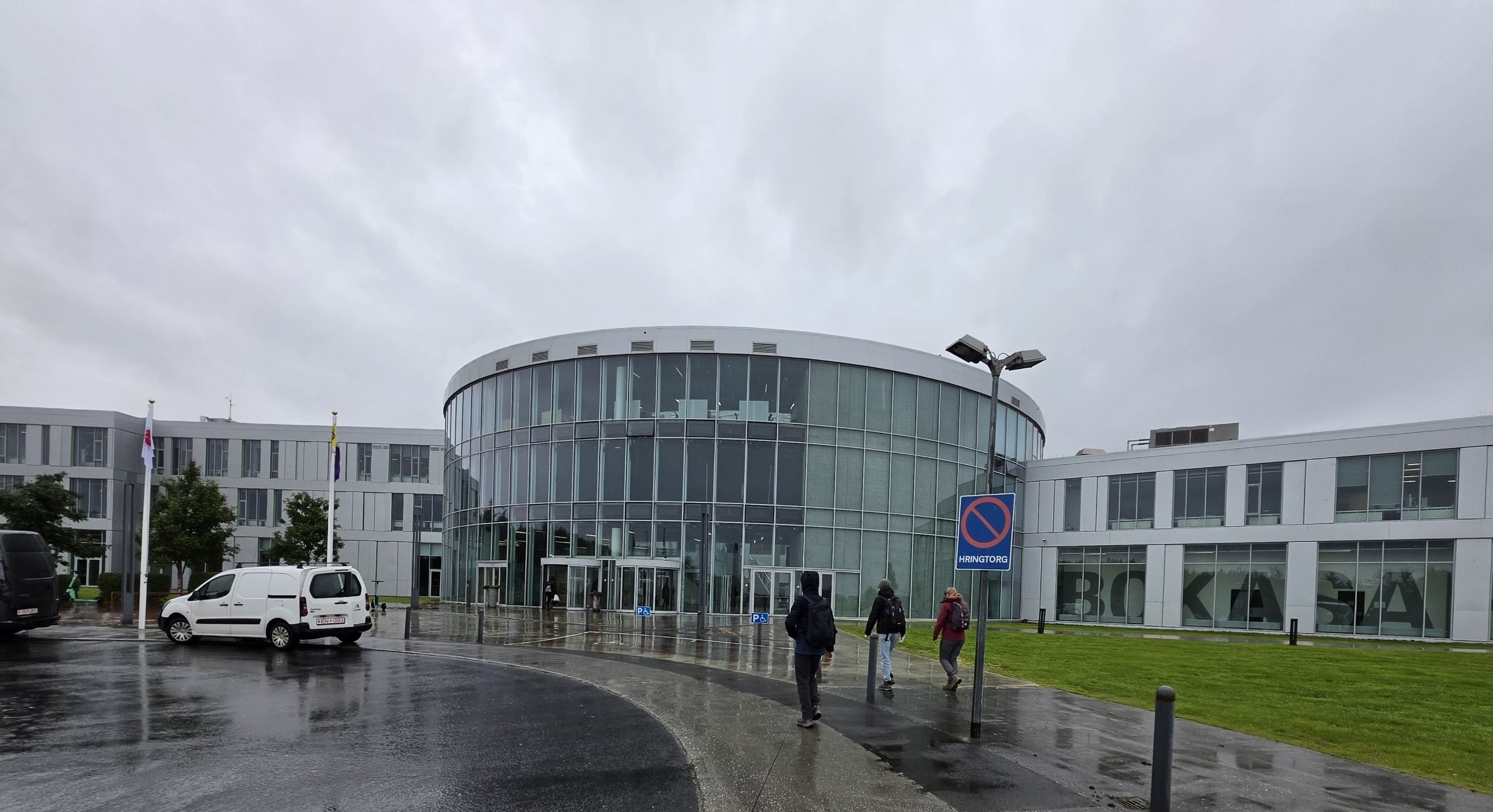
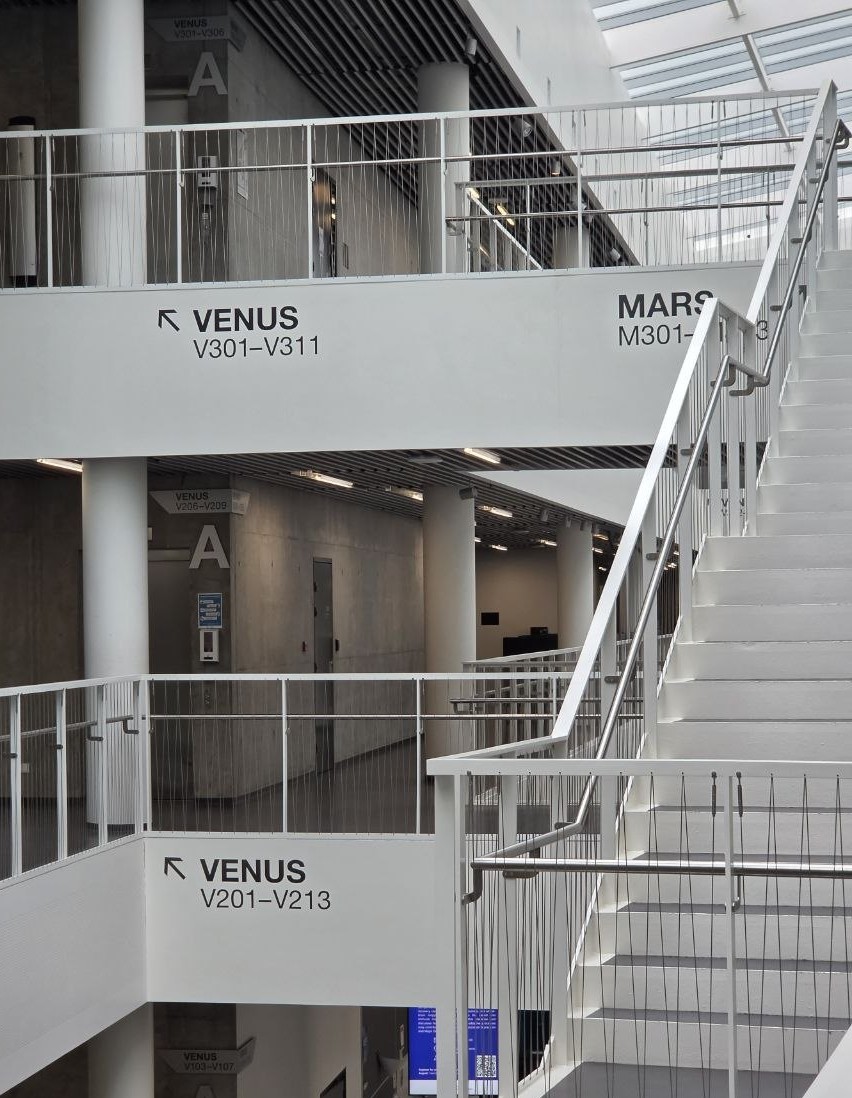
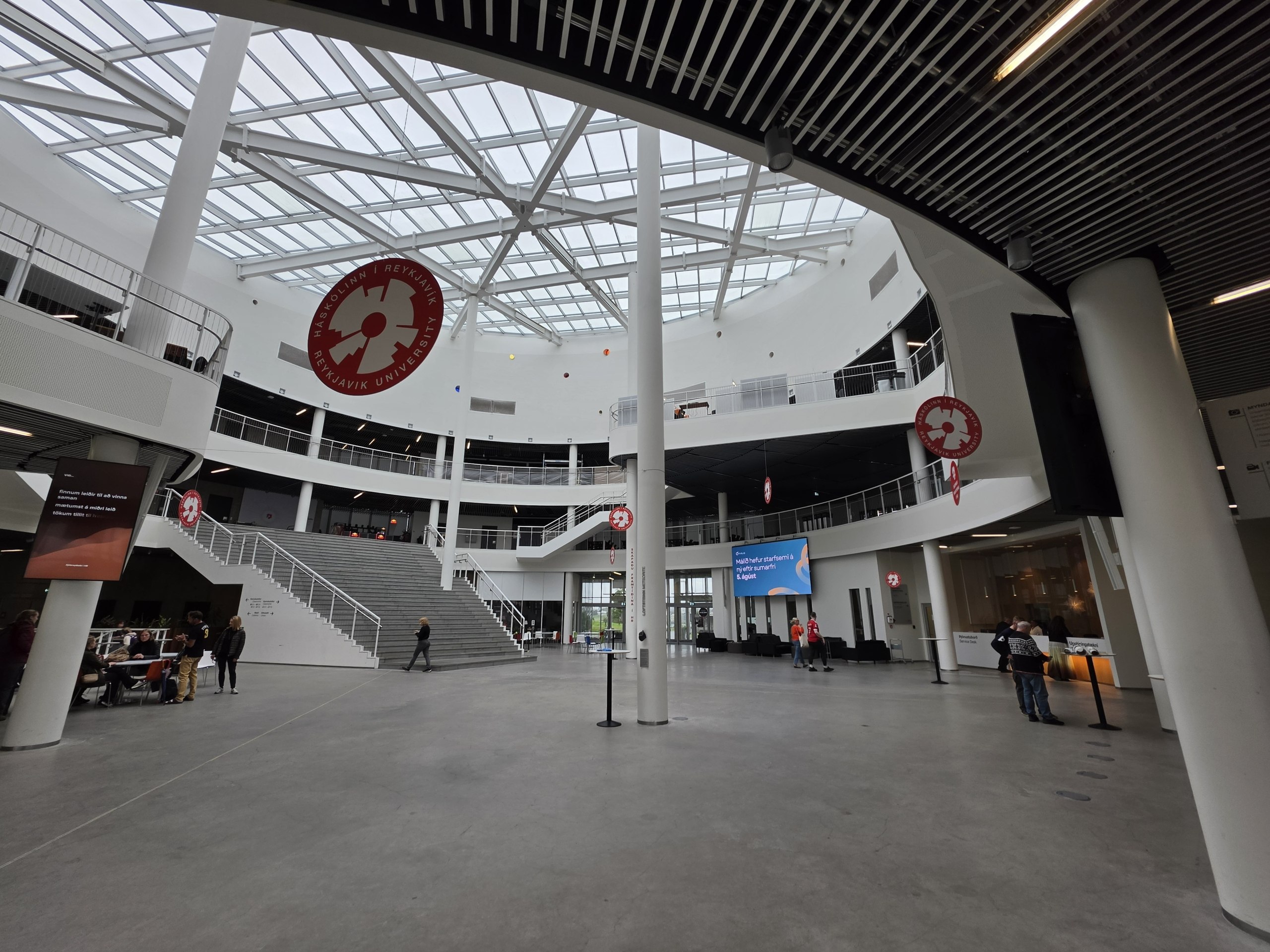
At the Reykjavík campus, participants also tested an educational game on the topic of sustainability, which simulates the use of resources such as energy. This brought the theme full circle back to Elliðaárstöð: both approaches use game-based formats to make complex interactions within resource systems more accessible.
Findings and Outlook
The Summer School offered AAU PhD students a wide range of insights into the role of water as a resource, from blue-green infrastructure and hydropower to the repurposing of historic energy facilities. These experiences provide valuable inspiration for their own research, particularly regarding conflicts of interest between energy generation and ecosystem conservation, the resilience of supply networks, and communicating energy and water issues to the general public. Special thanks go to Professor David Finger Reykjavík University, the Agricultural University of Iceland, and all the local hosts.
Further information:
- Agricultural University of Iceland – Design with Water
- Dezeen – Terta transforms Elliðaárstöð
- Iceland Design Awards 2025 – Elliðaárstöð
- Visit Reykjavík – Elliðaárstöð
- Reykjavík.is – Orkuveitan skilar Elliðaárdalnum
- Iceland Monitor – Salmon fry killed in Andakílsá
- Hafrannsóknastofnun – Aurflóðið í Andakílsá 2017